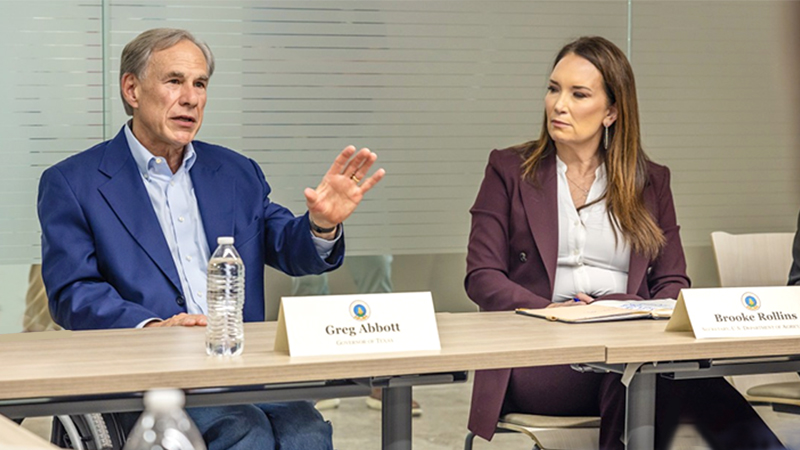
Governor Greg Abbott today joined U.S. Secretary of Agriculture Brooke Rollins and federal and state partners at the Knipling-Bushland U.S. Livestock Insects Research Laboratory for a briefing and update on Texas’ ongoing response to the New World screwworm threat. During his remarks, Governor Abbott highlighted the coordinated state and federal effort underway to prevent the spread of the New World screwworm in Texas. USDA is deploying sterile flies across the infected areas and working to establish a new sterile fly production facility in Edinburg.
The U.S. Treasury Department released a new analysis finding that American families and American workers benefited the most from Republicans’ Working Families Tax Cuts. Republicans wrote this legislation for lower- and middle-class earners, the men and women who get up and start working before the sun rises and go home well after it sets, and this analysis proves those efforts were successful.

Texas has always been the home of big ideas and bigger deals. It’s where ambition meets low taxes and light regulation, where the world’s most consequential companies plant flags and make moves that reshape industries. Fort Worth-based American Airlines announced it has selected Starlink – the satellite internet service operated by Elon Musk’s SpaceX – to provide high-speed Wi-Fi on more than 500 of its aircraft, with installations set to begin in the first quarter of 2027.
Employers are complaining of a shortage of trained job applicants, which gives workers an ability to bid up salaries. There's a construction boom going on across the country driven by new spending on plants, factory equipment and road building. Manufacturing is roaring back with four straight months of expansion — the best record in four years — and the stock market's incredible run predicts future earnings and growth. Yet all this is being covered up — including Household Incomes that are up over $3,000. Why?
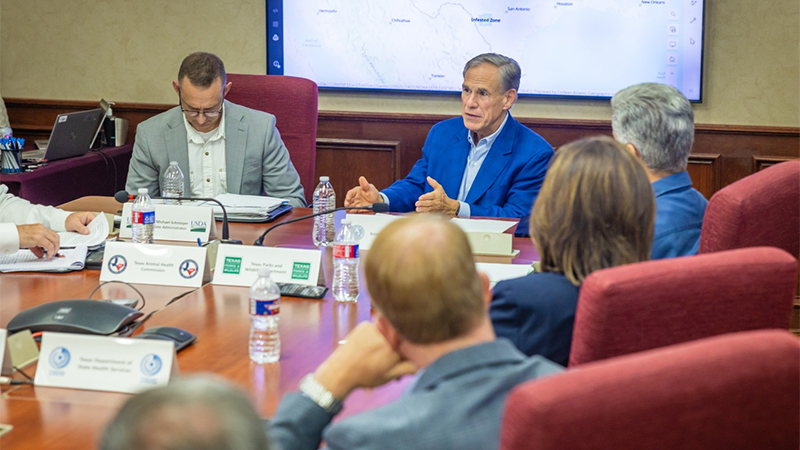
Governor Greg Abbott received a briefing and updated Texans on the state’s response following confirmation of a New World Screwworm (NWS) detection in Texas. The Governor also issued a disaster declaration for Zavala and Uvalde Counties. The Governor’s disaster declaration deploys all available state resources to respond to this threat and prioritizes resources to Uvalde and Zavala counties.
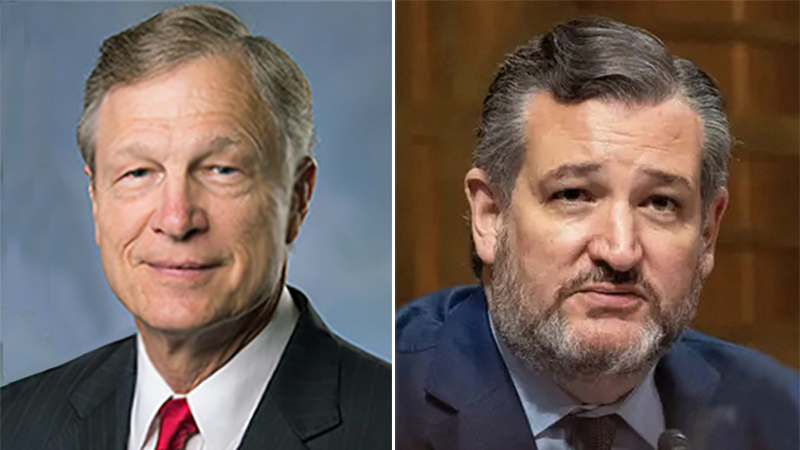
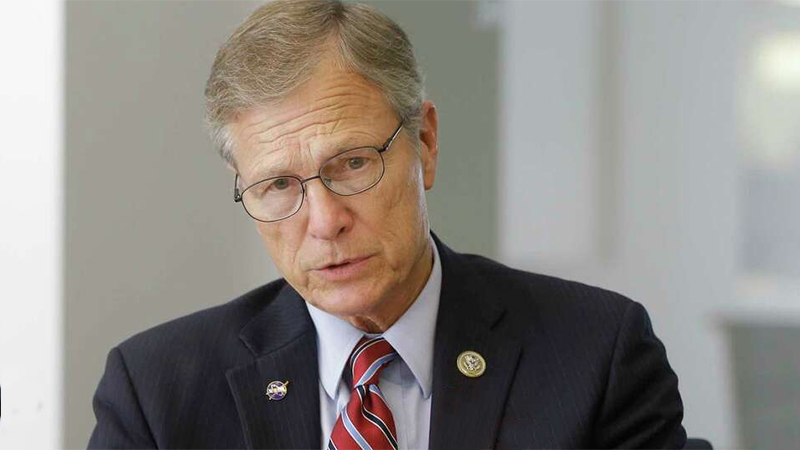
Representatives Brian Babin (R-TX) and Chrissy Houlahan (D-PA,) and Senators Ted Cruz, Mark Kelly (D-AZ), and Elissa Slotkin (D-MI) have introduced the "Sustainment of Unmanned Systems, Total Force Aircraft Inventory & National Guard Protection (SUSTAIN) Act" in an effort to prohibit the Air Force from reducing its MQ-9 aircraft units or staffing levels, which is critical for providing various intelligence, surveillance, and reconnaissance capabilities.


On June 6, 1944, the Allied Forces stormed the beaches of Normandy to fight against tyranny and liberate Europe from Nazi occupation. This decisive operation — in which more than 2,500 brave Americans paid the ultimate price — turned the tide of the war and changed the course of history. My father, James McCaul Jr., was a bombardier on a B-17 Flying Fortress as part of the 34th Bombardment Group, which helped prepare Operation Overlord — the code name for D-Day — by bombing the airfields around Normandy.
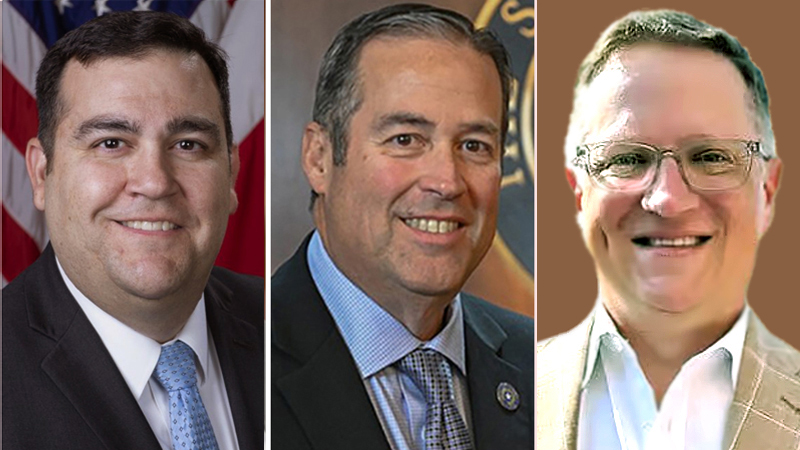
The Texas Workforce Commission (TWC) has awarded eight grants totaling more than $1.3 million to Local Workforce Development Boards through the Texas Internship Initiative. The Boards will use these grants to support local partnerships that foster new, paid internship opportunities for students, recent college graduates, and transitioning service members. The grant program focuses on internships in middle skills STEM occupations and target industry sectors.
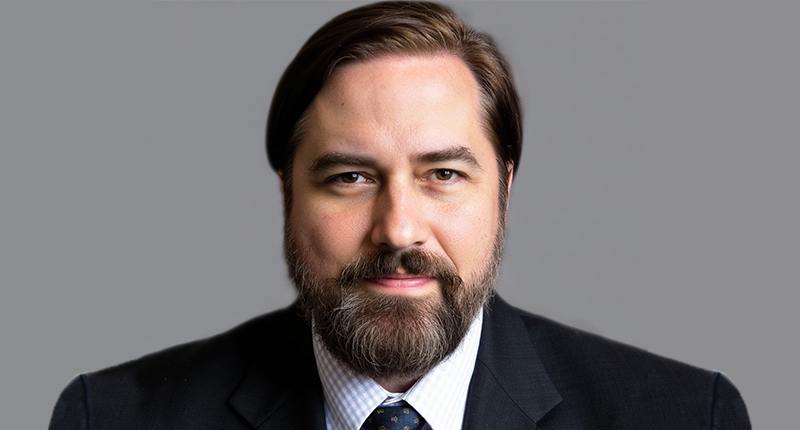
I realize Graham Platner is never going to answer any real question from anyone who’ll follow up and not simply swallow his bovine post-digested food. But there are some legitimate questions for which voters in Maine should demand answers. They’re unlikely to get them, as the poster boy for what Democrats consider to be “masculinity” is a spoiled rich kid who doesn’t feel he owes anyone anything, and he’s also not bright enough to be able to think on his feet.
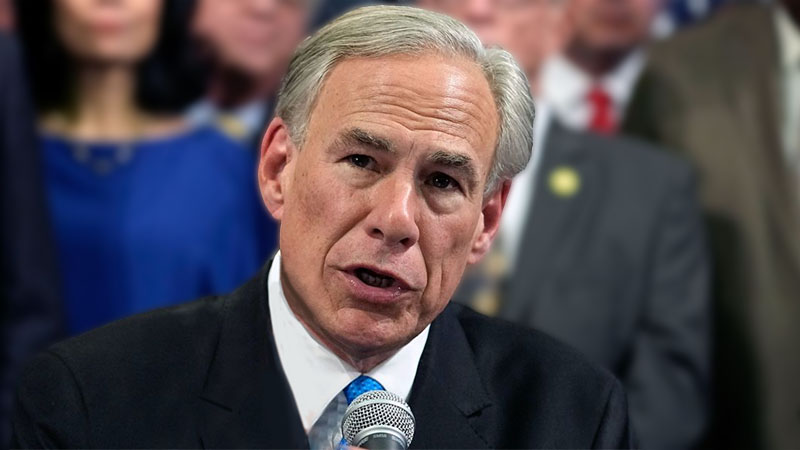
Governor Greg Abbott announced the seventh Texas Energy Fund (TxEF) loan agreement for a 570 megawatt (MW) natural gas power plant in Sherman, Texas. Rayburn Electric Cooperative will build the plant, which is expected to begin generating power for the Electric Reliability Council of Texas (ERCOT) power region in 2028. The PUCT is providing a 20-year TxEF loan up to $411 million, or 60% of total cost, at a 3% interest rate. The loan term runs from June 3, 2026, through June 3, 2046.

Texas Land Commissioner Dawn Buckingham, M.D., is pleased to share that up to $1.6 billion in funding has been unlocked after USA Rare Earth (USAR) and the U.S. Department of Commerce (DOC) finalized agreements that aim to accelerate mining for rare earth and critical minerals at Round Top Mountain on Texas General Land Office (GLO) state-owned land in Hudspeth County. This funding will enable the Round Top Project to begin commercial production of heavy rare earth and critical minerals at Round Top Mountain in 2028

The elite "student athletes" are no longer recruited, but auction off their talents to the highest bidder. Some of the eligibility rules openly discriminate against American kids to the advantage of older foreigners. Now Congress is intent on making things worse. The Protect College Sports Act, which is now moving through the Senate, is 150 pages of byzantine rules governing media negotiations, revenue sharing, local broadcast access, conference transactions, and even the college football calendar.
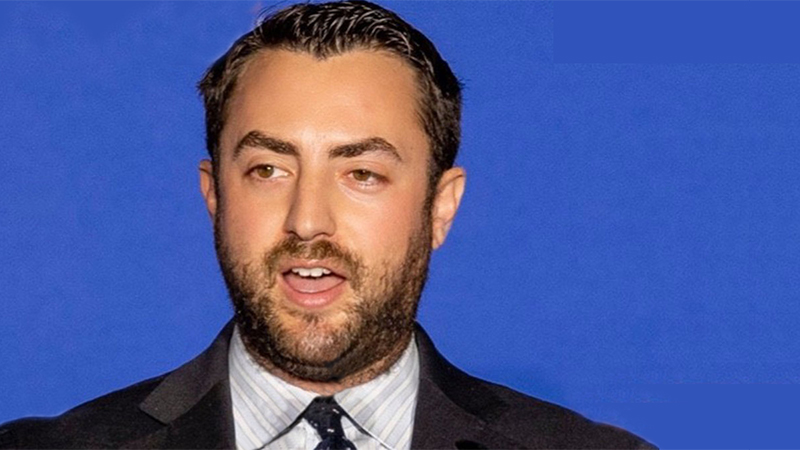
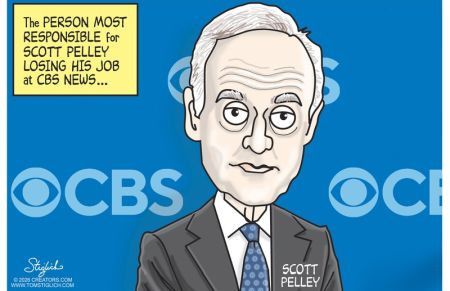
Weiss and the rest of the new network leadership, given a mission to shake things up, have been doing precisely that. On May 17, Anderson Cooper resigned from "60 Minutes," the network's iconic Sunday evening program. After that, Weiss and the senior team then fired multiple additional "60 Minutes" producers and correspondents, including the program's executive producer.60 Minutes" Newly hired executive producer Nick Bilton fired anchor Scott Pelley.
Governor Greg Abbott has announced the second agreement under the Texas Energy Fund (TxEF) Outside-ERCOT Grant Program (OEGP) with Southwestern Electric Power Company (SWEPCO). The grant, administered by the Public Utility Commission of Texas (PUCT), funds a project that will upgrade approximately 700 miles of power equipment in Northeast Texas, ensuring electric reliability for more than 192,000 Texas consumers.
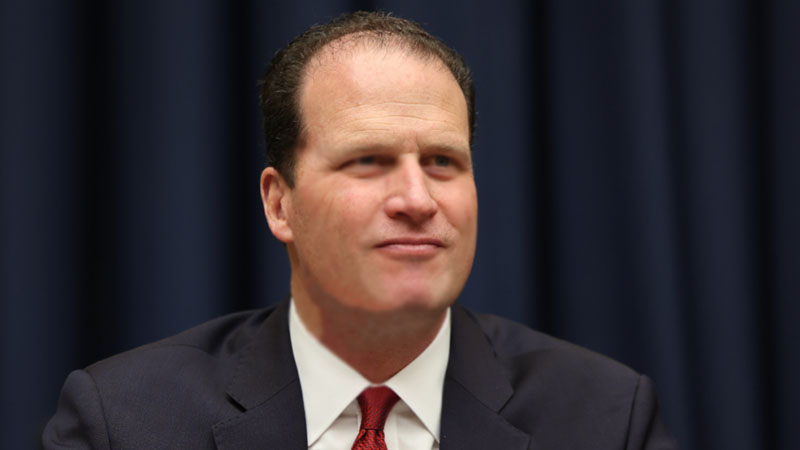
The United States has for some time faced a significant shortage of Air Traffic Controllers, which poses real challenges to the safety and efficiency of our National Aviation System. That's why I advocated directly to U.S. Dept. of Transportation Secretary Sean Duffy for the opportunity to make Angelo State University the first school in Texas to be selected for the FAA’s Enhanced Air Traffic Collegiate Training Initiative. The program will help create pathways for students in West Texas to pursue careers in aviation and public service.


Columbia held the first-round of its Presidential Election Sunday, and the results continued the clear trend that's sweeping Latin America – the Conservative Parties are doing well by running a campaign of pursuing closer ties with the U.S., and less government control of their economies. The pattern is consistent: Argentina, Bolivia, Chile, Costa Rica, Ecuador, Honduras. Columbia would become at least the 6th nation to move right – and dump Socialism in Central and South Americas. Democrats should

It’s been a tough couple weeks for the Democrat Party in general, AND for their Potty-Primate-Punisher Graham Platner's campaign in particular — from the Totenkopf tattoo, to his Out-House self-gratification revelation, to the least surprising surprise in the history of revelations, that he's been a big fan of exchanging nudes with random women... that he’s not married to. But Democrat Party leaders are staying with him because the real Nazi isn’t the guy who has the SS death’s head on his chest.
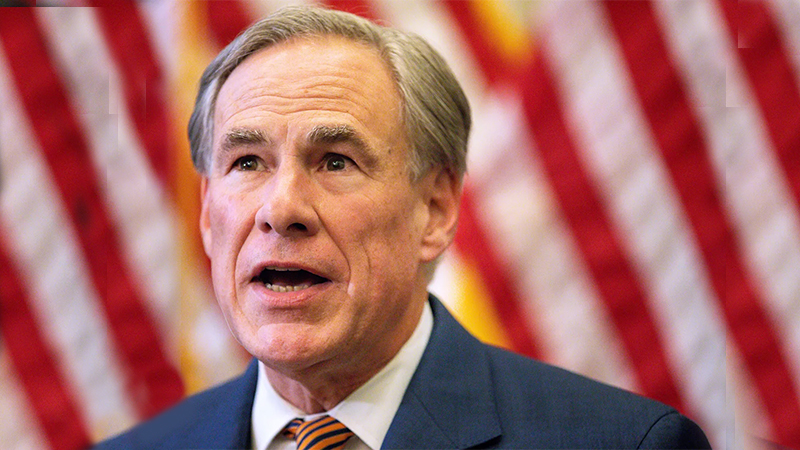
Governor Greg Abbott and the Texas Veterans Commission (TVC) today announced that $40.8 million in Fund for Veterans’ Assistance (FVA) grants will support 190 grants to 160 organizations across the state. Approved by TVC Commissioners last week, FVA grants are awarded to nonprofit organizations and local government agencies throughout Texas that provide direct services to veterans and their families.