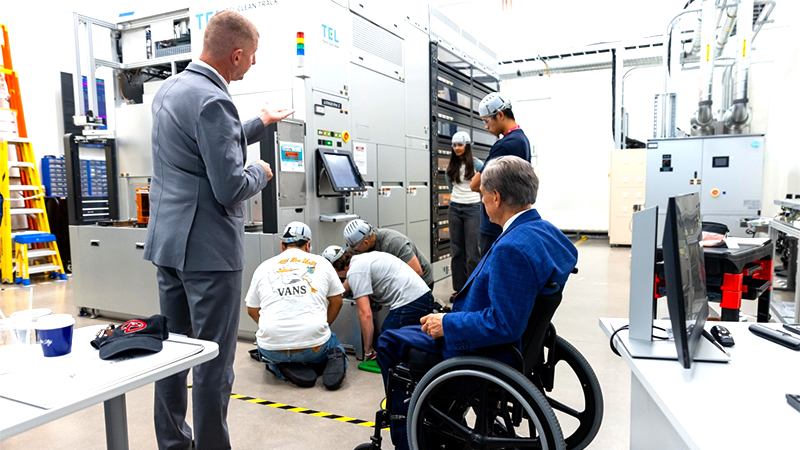
Governor Greg Abbott toured the TEL Texas Technical Training and Research & Development Center in Austin. He led a roundtable discussion with students and business leaders to highlight how industry-led training programs are preparing thousands of Texans for high-demand careers and strengthening Texas’ position as America’s semiconductor leader. The Austin center will train an estimated 2,200 people each year and uses virtual and augmented reality to prepare technicians for next-generation tools. TEL, headquartered in Austin, has operated in Texas for more than 30 years.
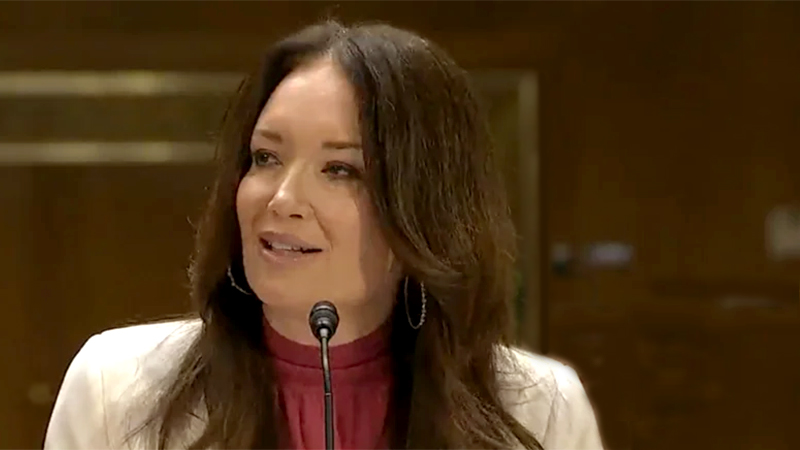
U.S. Secretary of Agriculture Brooke L. Rollins announced the Ranchers First Initiative, a sweeping package of actions to continue rebuilding the Great American Beef Herd and put America’s ranchers back at the center of our nation’s food supply. Building on USDA’s October 2025 Plan to Fortify the American Beef Industry, the Trump Administration is delivering again. "President Trump will make certain the men and women who raise our cattle can hand their operations to the next generation, and that American families can put safe, high-quality, American-raised beef on the table.”
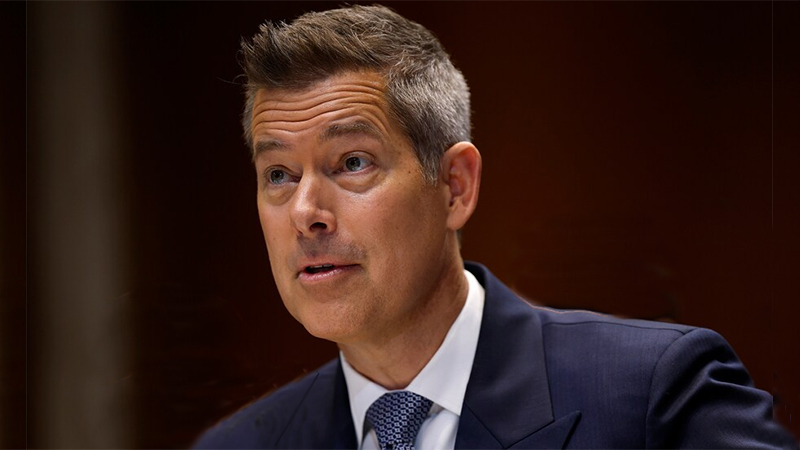
Transportation Secretary Sean Duffy has announced the emergency shutdown of 110 driving schools across the U.S. due to a rule requiring English proficiency for obtaining a commercial driver's license (CDL). The Department of Transportation (DOT) made this decision after the schools had issued licenses to over 5,000 individuals who had failed English language proficiency (ELP) tests. DOT is initiating a nationwide audit of third-party commercial driver's license (CDL) skills testers and the states' oversight of these testers.
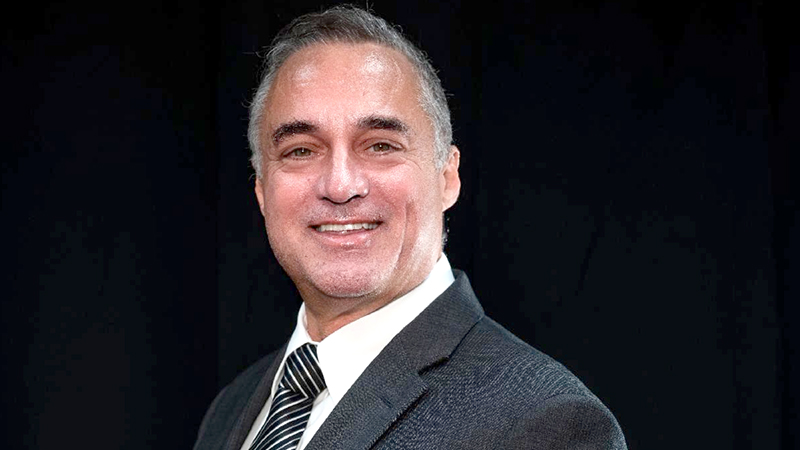
The RRC is pleased to announce that David Lindley has been named the new director of the Commission’s Oil and Gas Division. With 10 district offices across the state, the division’s core responsibilities include meeting permitting and reporting requirements; conducting field inspections, testing programs and monitoring industry activities in the field; and administering programs to remediate abandoned wells and sites, funded by fees and taxes paid by industry.

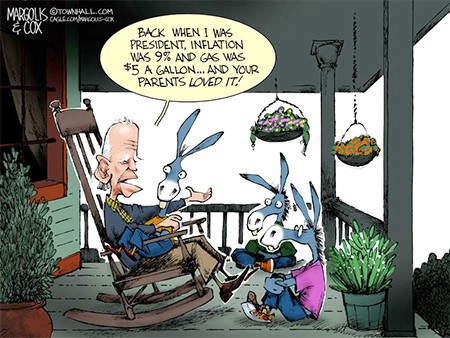
“I want to be President of all Americans,” said Joe Biden. Barack Obama said something similar about there not being red Americans or blue Americans, only Americans. It’s garbage because in pursuit of that job, and in the execution of it, they do not speak to half the country at all. They want to control you, not talk with you. At his press conferences, Obama would work off a printed list of pre-screened reporters in something with all the choreography of a Broadway show. Under Joe Biden, things got worse. He had the list of reporters with the screened questions.
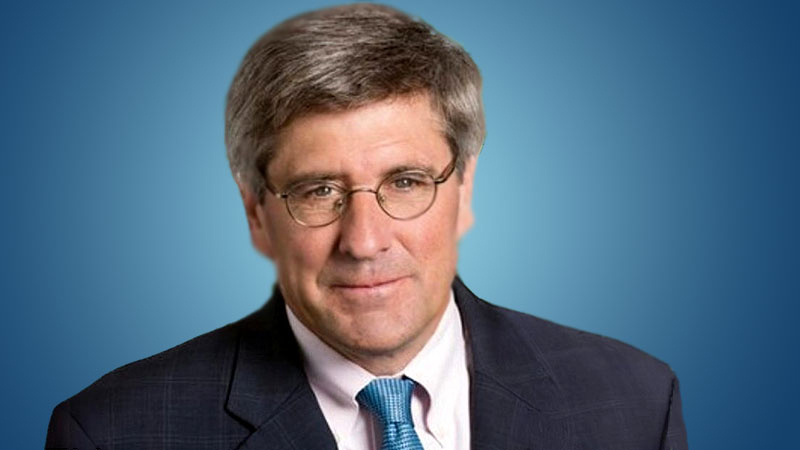
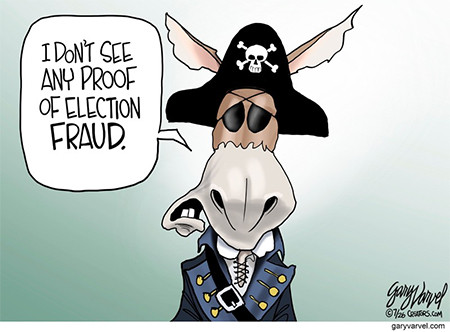
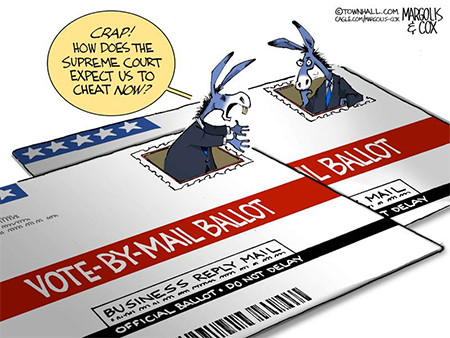
President Trump issued an executive order last May directing the Postal Service to enhance ballot security by requiring states to provide lists of mail voters and use federally reviewed ballot envelopes with unique barcodes for tracking. A group of blue states immediately sued claiming the order violates the Voting Rights Act by intruding on their power to administer elections. This week, the Supreme Court voted 6 to 3 to allow the Postal Service to implement the order. Two days later the Postal Service rules were blocked again

I was honored to stand alongside President Trump and NASA Administrator Jared Isaacman as the Artemis II astronauts were awarded the Congressional Space Medal of Honor. Under President Trump’s leadership, America has entered a new Golden Age of exploration, innovation, and discovery, and the historic success of Artemis II is proof that our nation is once again leading the way in space.

Operation Black Market Basin led to charges including felony oil theft, money laundering and organized crime. In mid-August, authorities seized about 2,600 barrels of petroleum products valued at more than $220,000, 60 vehicles valued at more than $2.8 million, $786,215 in cash, 34 luxury watches and jewelry items and eight bank accounts containing more than $8 million. The investigation involved petroleum allegedly acquired and sold across multiple states, including Texas, New Mexico and Oklahoma.
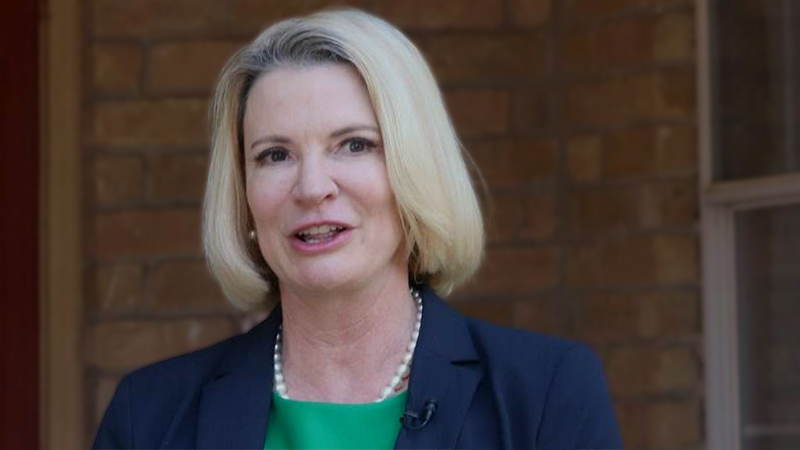
Commissioner Dawn Buckingham, M.D., is announcing a new GLO initiative: The Texas Engine: Fueled, Fed, and Fortified – a vision for putting Texas’s land and natural resources to work to strengthen our state today and to secure America’s future. This plan will highlight how the GLO is delivering on dependable energy, unlocking new revenue streams, strengthening domestic manufacturing, securing food production, and protecting Texas’s land, water, and critical resources.


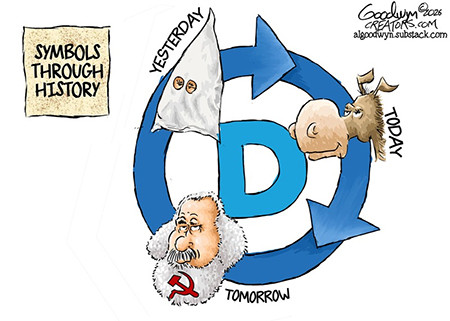
The leftists embrace a belief that they can provide an equality of blessings; they call it equity. It is an unachievable goal, but it seeks to capitalize on ignorance and one of the seven deadly sins, envy. What Marx created, especially being an atheist, was an ideology that leveraged a basic human sinful emotion, envy — sadness or resentment over the traits, luck, or possessions of others — in order to foment class warfare and eventual societal revolution. It is a philosophy of failure.

Yesterday Governor Greg Abbott rang the Closing Bell of the New York Stock Exchange (NYSE) in celebration of the grand opening of the headquarters of NYSE Texas. During his remarks, the Governor honored the contributions of Texas business legends who helped shape our state into the booming economy it is today. Texas boasts the eighth-largest economy in the world, leads the nation in job creation, and consistently ranks among the best states for business.
According to the National Hurricane Center, the peak of Hurricane Season runs from mid-August to late October, and it is during this time that most tropical cyclones form in the Atlantic Basin. From mid-August to late September, we will be entering the most active part of the season. On June 1, 2026, we officially entered the Hurricane Season, and it is important to be prepared during the season because it can help keep both you and your family safe.

Texas Comptroller Don Huffines delivered remarks today at the Annual Legal Seminar on Ad Valorem Taxation, emphasizing the growing burden of property taxes on Texas families and outlining his office’s efforts to modernize tax administration, increase transparency and strengthen taxpayer protections. For many families, he said, property taxes are now one of the single biggest barriers standing between them and their first home.
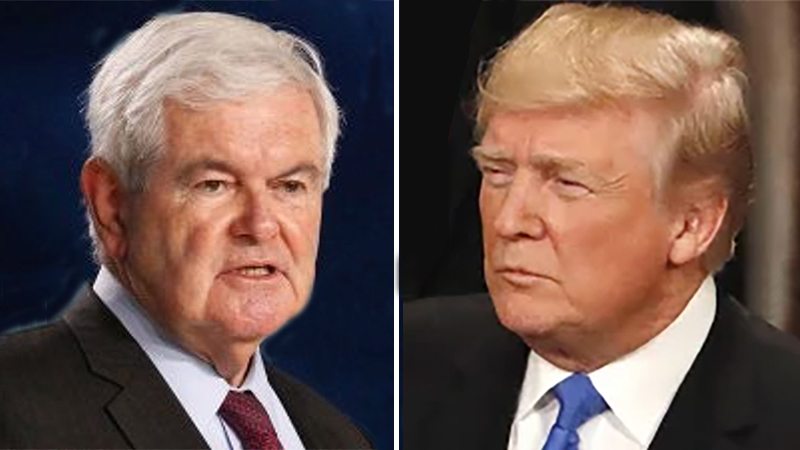
With the nominations of Sen. Darline Graham in South Carolina and of Mike Mazzei for governor of Oklahoma, President Donald Trump’s strength in the GOP is unchallengeable. Both these nominations would have been won by the other candidates if President Trump had endorsed them. In South Carolina, the alternative was U.S. House Rep. Ralph Norman, a solid, pro-Trump conservative. If President Trump had endorsed Rep. Norman, he would have won.

Thomas, in short, has won the long game. But how? Thirty-five years ago, mainstream legal training and judicial practice suggested the proper way to interpret a legal document is to probe for nebulous concepts such as legislative history and legislative intent. It's now hard to believe, but the commonsense notion that one should begin the interpretive exercise with a document's text and plain meaning was pretty much unheard of.

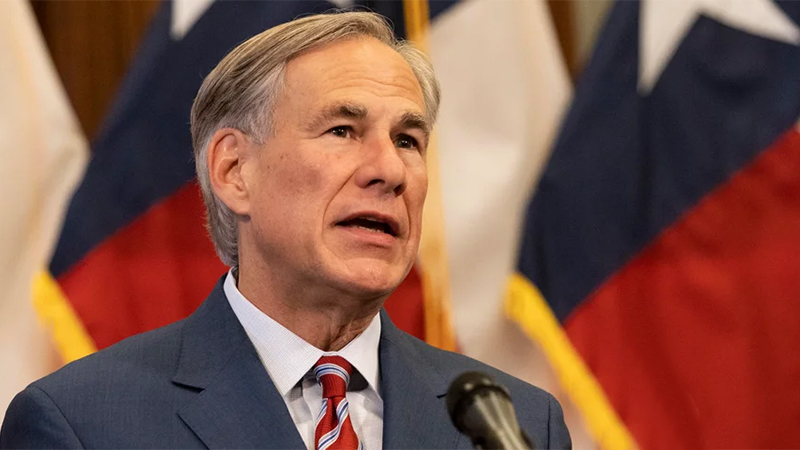
Governor Greg Abbott today announced a new 10-year transportation plan with a total projected investment of $138 billion. The plan by the Texas Department of Transportation (TxDOT) will improve safety, reduce congestion and strengthen the supply chain. Many of the projects in the 2027 UTP are roadway segments identified on Texas’ 100 Most Congested Roadways list.
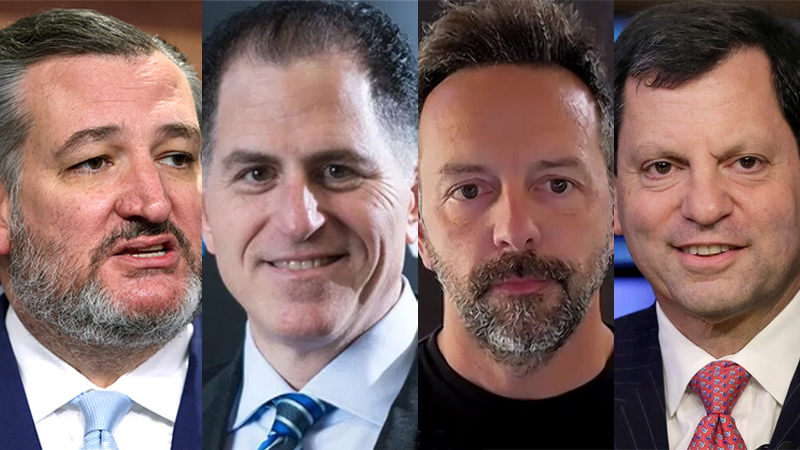
U.S. Sen. Ted Cruz (R-Texas) will participate in a press conference and executive roundtable with Michael Dell, founder, chairman and CEO of Dell Technologies, Brad Gerstner, founder, chairman and CEO of Altimeter Capital, Frank Bisignano, CEO of the IRS, and dozens of executives representing a wide range of Texas industries. The discussion will focus on the opportunity corporate America has to make a generational impact on American families’ financial futures by contributing to Trump Accounts for their employees' children.
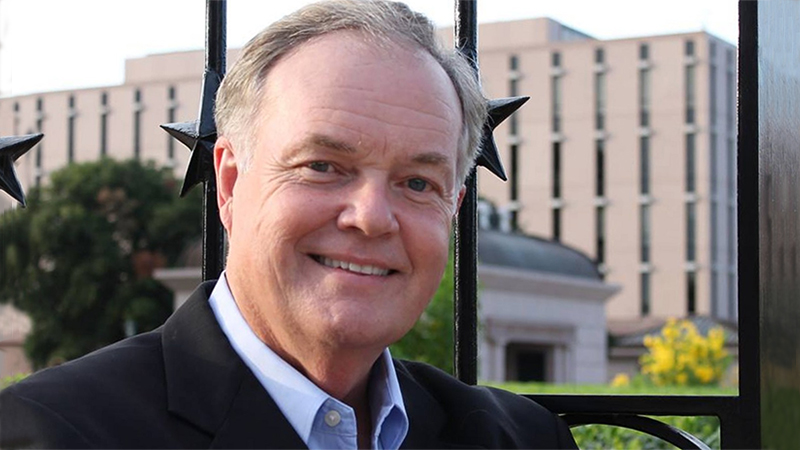
RRC Commissioner Wayne Christian today refuted misinformation circulating about the RRC’s newly adopted Public Engagement and Participation Policy, emphasizing that the updated policy broadens public access to the agency, builds upon the success of the Office of Public Engagement and modernizes an internal policy that had not been updated in more than two decades.